What to Investigate Before Buying a Lot for a Custom Home in South Florida
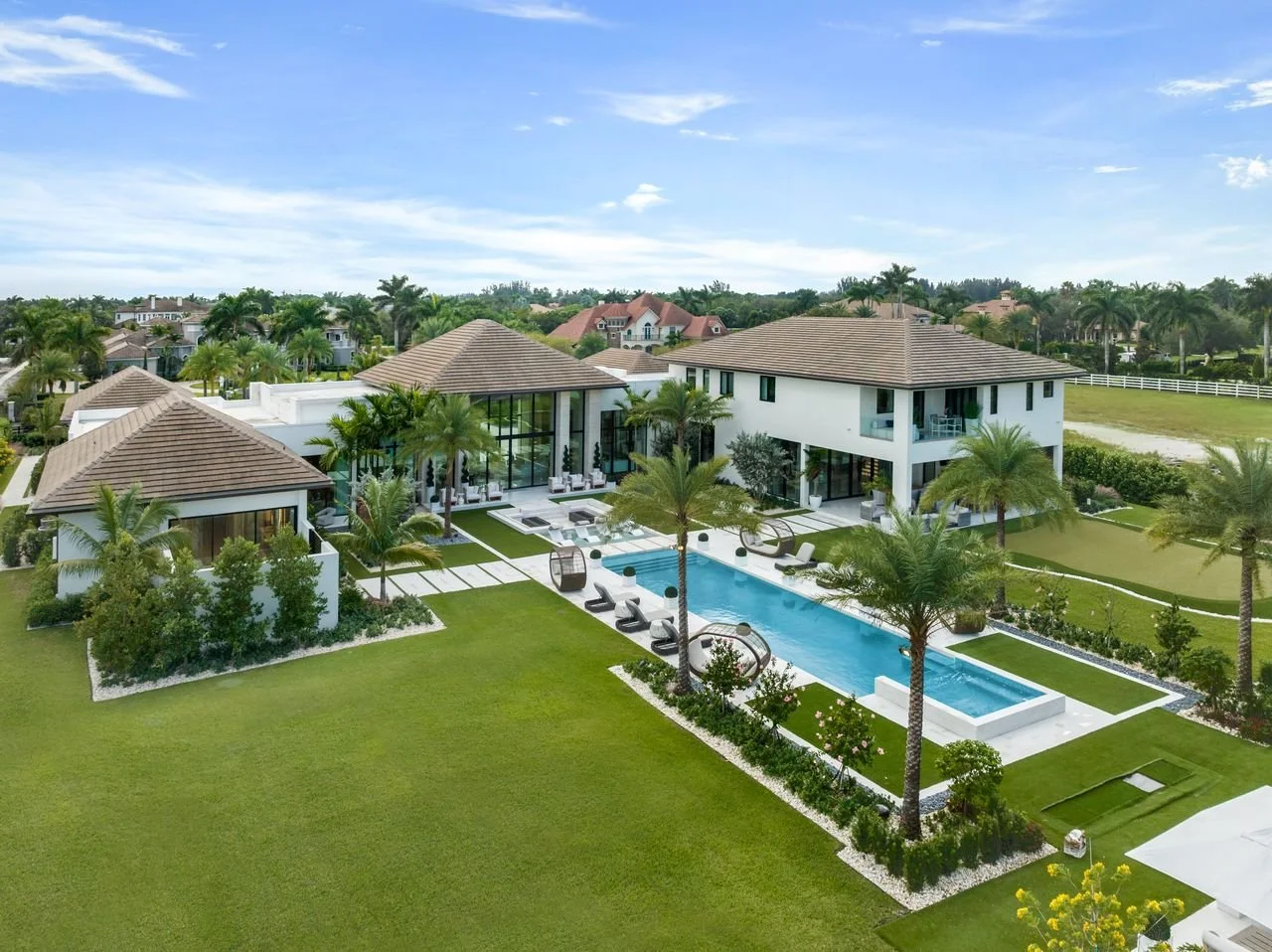
Buying a lot is one of the first major decisions in building a custom home. A property may look perfect on paper, but what you can actually build on the site can be very different from what you initially imagine.
Before purchasing a lot for a custom home in South Florida, investigate the property's zoning, setbacks, flood zone, elevation, drainage, utilities, access, site conditions, permitting requirements, and potential construction costs.
It is also important to understand how those factors will affect the size, design, budget, and timeline of the
home you want to build.
A lot that appears to be a good value can become significantly more expensive if important site conditions are discovered after the purchase.
Here are the key things to investigate before buying a lot for a custom home in South Florida.
Is the Lot Actually Buildable?
Before purchasing a property, determine what can realistically be built on the lot.
The property's size alone does not tell you how much house you can build. Zoning requirements, setbacks, easements, lot coverage, height restrictions, and other regulations can affect the building envelope.
Ask:
· What is the property's zoning classification?
· What are the required setbacks?
· Are there easements affecting the property?
· Are there restrictions on lot coverage or building height?
· Are there local design or architectural requirements?
· Are there limitations on pools, garages, guest houses, or other structures?
· Are there existing structures that need to be removed?
Understanding the buildable area before purchasing the property can help you determine whether the lot will
accommodate the home you have in mind.
Check the Flood Zone and Elevation
Flood risk and elevation are important considerations for many South Florida properties.
Before purchasing a lot, determine the property's flood zone and understand the applicable elevation requirements.
These factors can affect:
· Finished floor elevation
· Foundation requirements
· Site grading
· Drainage
· Driveways and access
· Pool design
· Landscaping
· Construction costs
A property near the water or in a flood-prone area may have additional requirements that should be understood before you finalize the purchase.
Investigate Drainage and Site Conditions
The condition of the site can have a significant effect on the construction process and budget.
Before buying a lot, investigate the existing drainage and understand what site preparation may be required.
Consider:
· Existing grades and elevations
· Drainage conditions
· Soil conditions
· Fill requirements
· Existing vegetation
· Trees that may need to be preserved or removed
· Existing structures
· Demolition requirements
· Retaining walls or other site improvements
Some of these conditions may not be obvious when simply walking the property.
A thorough site evaluation can help identify potential construction costs before they become surprises during the project.
Understand the Utilities and Site Access
Confirm what utilities are available and where they are located.
Depending on the property, investigate:
· Water
· Sewer
· Electrical service
· Gas
· Stormwater systems
· Internet and communications
· Existing utility connections
Access to the property should also be considered. Ask whether construction vehicles, equipment, materials, and workers will have adequate access to the site.
For larger custom homes, difficult access can affect scheduling, logistics, and construction costs.
Review the Property’s Permitting Requirements
Every South Florida property is subject to local permitting and building requirements.
Before purchasing a lot, understand which municipality has jurisdiction and what approvals may be required for the proposed home.
Depending on the location, this may include requirements related to:
· Building permits
· Site development
· Zoning
· Tree removal or preservation
· Flood requirements
· Environmental considerations
· Driveway access
· Drainage
· Waterfront conditions
Permitting requirements can vary between municipalities, so it is important to evaluate the specific property rather than relying only on general South Florida assumptions.
Consider Waterfront and Coastal Conditions
Waterfront properties can offer exceptional opportunities for custom homes, but they can also involve additional planning and construction considerations.
If you are considering a waterfront or coastal lot, investigate:
· Seawalls and their condition
· Waterfront setbacks
· Dock or boat access requirements
· Flood elevation
· Coastal construction requirements
· Drainage
· Soil and foundation conditions
· Environmental restrictions
· Required approvals
The waterfront itself may also influence the design and location of the home, pool, outdoor living areas, and other features.
These factors should be understood before committing to the property.
Understand the Potential Construction Cost
One of the biggest mistakes when buying a lot is looking only at the purchase price.
The cost of developing the site can be significant, depending on the property's conditions and requirements.
Potential costs can include:
· Demolition
· Clearing and preparation
· Fill
· Excavation
· Drainage improvements
· Foundation requirements
· Utility connections
· Seawall work
· Landscaping and site improvements
· Permitting and professional fees
These costs can affect the amount you ultimately have available for the home itself.
Before purchasing a lot, it is useful to develop an early understanding of both the land cost and the potential total project cost.
Make Sure the Lot Works With Your Home Design
A lot may be attractive but still be a poor fit for the home you want to build.
Think about the relationship between the property and your intended design.
Consider:
· Desired home size
· Number of stories
· Garage requirements
· Pool placement
· Outdoor living areas
· Privacy
· Views
· Orientation
· Natural light
· Landscaping
· Guest or secondary structures
The lot should support the way you want to live, not simply look attractive when viewed by itself.
Should You Involve a Builder Before Buying the Lot?
In many cases, it can be useful to involve a qualified custom home builder before purchasing a property.
A builder can work with the homeowner, architect, engineers, and other professionals to identify potential construction and budget considerations early in the process.
This does not replace the need for appropriate inspections, surveys, engineering, legal review, or other professional due diligence. Instead, it adds another perspective focused on how the property can actually be developed and built.
Early review can help answer questions such as:
· Can the proposed home fit on the property?
· Are there obvious site challenges?
· What construction requirements could affect the budget?
· Are there potential permitting concerns?
· Are there significant site-development costs?
· Does the property make sense for the intended project?
Finding these issues before purchasing the property gives you more information when evaluating the investment.
What Should I Ask Before Buying a Lot?
Before moving forward with a lot, create a checklist of questions and have the appropriate professionals help verify the answers.
At a minimum, investigate:
· Zoning and permitted uses
· Setbacks and building envelope
· Flood zone and elevation
· Drainage
· Soil and site conditions
· Utilities
· Property access
· Easements and restrictions
· Waterfront or coastal requirements
· Demolition or clearing requirements
· Permitting requirements
· Potential site-development costs
· Whether the desired home can realistically fit on the property
The more you understand about the property before purchasing it, the easier it is to develop a realistic plan and budget for the home.
Why Early Planning Matters
A successful custom home project starts well before construction begins.
The lot, the design, the budget, and the construction plan all influence one another. Making decisions about the property without understanding those relationships can create problems later.
At Landmark Custom Homes, we work with homeowners and project teams throughout the planning and construction process, including evaluating the practical considerations that can affect a South Florida custom home.
Our experience includes high-end custom residences throughout Broward, Palm Beach, and Miami-Dade counties, including estate and waterfront properties.
Understanding the property early allows the design and construction team to make better-informed decisions before major commitments are made.
Final Thoughts
Before buying a lot for a custom home in South Florida, look beyond the purchase price and the appearance of the property.
Investigate whether the lot is buildable, what regulations apply, how flood and elevation requirements may affect the project, what site work may be required, what utilities and access are available, and what the potential construction costs could be.
Most importantly, make sure the property can support the home you actually want to build.
The earlier these questions are addressed, the more information you have to make informed decisions about the property, design, budget, and overall project.
If you are considering a South Florida property for a custom home, Landmark Custom Homes can help you understand the construction considerations that should be evaluated early in the process.