Designing a luxury custom home should feel exciting, but many homeowners find themselves overwhelmed once layouts, finishes, furnishings, and hundreds of design decisions enter the conversation.
Seeing your future home before construction begins can help homeowners understand how their spaces will look, feel, and function. Through renderings, technical drawings, and early collaboration, homeowners can make informed decisions and feel more comfortable moving forward.
LISTEN TO EPISODE 20 (FULL TRANSCRIPT ON TIGTCH.COM)
Key Takeaways
How photorealistic renderings help homeowners make confident design decisions
Why early collaboration between the architect, builder, and interior designer leads to a more cohesive custom home
How concept boards, technical drawings, and renderings transform ideas into buildable spaces
Why hospitality-inspired design creates homes that feel luxurious, welcoming, and livable
What homeowners should know about the role of a licensed interior designer in a custom home project
How visualization tools can reduce revisions and improve the overall design experience
Why Homeowners Struggle to Visualize a Custom Home
Building a custom home requires hundreds of decisions, yet many homeowners are asked to make choices based on floor plans and samples alone. Jennifer explains that visualization tools help bridge that gap, giving homeowners a clearer understanding of how spaces will look, feel, and function before construction begins.
How Renderings Turn Ideas Into Decisions
Jennifer's firm is known for creating photorealistic renderings that closely resemble the finished product. Rather than relying solely on inspiration images, homeowners can see furniture layouts, lighting, finishes, and materials working together as a complete design.
This approach helps clients feel more confident in their decisions and provides a shared vision for the entire project team.
Jennifer believes visualization is one of the most powerful tools in the design process. Similar concepts can also be explored through mock-ups and other visualization tools, allowing homeowners to evaluate important details and custom features before construction begins.
Why Interior Design Should Begin Earlier Than Most Homeowners Think
Furniture layouts, lighting plans, ceiling details, and architectural features influence more than aesthetics. They can affect room proportions, electrical layouts, and construction decisions.
Jennifer emphasizes that many of these decisions are easier to address before construction documents are finalized. Bringing your builder, architect, and interior designer together early helps align design intent with functionality, budget, and construction planning from the start.
For homeowners who are still defining roles and responsibilities, understanding the value an interior designer brings to a custom home project can help establish a stronger foundation for collaboration and decision-making.
Hospitality Design Creates More Livable Luxury
Jennifer's background in hospitality design has influenced her approach to residential projects. Hotels are designed to create memorable experiences, but they must also withstand everyday use.
Luxury homes benefit from the same mindset. Durable materials, thoughtful layouts, layered lighting, and comfortable gathering spaces help create homes that feel sophisticated without sacrificing functionality.
Jennifer's approach also reflects the importance of aligning design decisions with budget priorities, allowing homeowners to invest thoughtfully in the spaces and features that have the greatest impact on everyday living.
Turning Renderings Into Reality
Beautiful renderings are only the beginning. Technical drawings, shop drawings, site visits, and ongoing coordination help transform concepts into completed spaces.
Jennifer believes successful projects depend on collaboration long after the renderings are complete. Builders, architects, designers, fabricators, and homeowners all play an important role, reinforcing the value of assembling the right team early in the process.
Design Decisions That Can Lead to Revisions and Regrets
Waiting Until Construction Is Underway to Think About Interiors
Many homeowners assume interior design begins after plans are finalized. In reality, furniture layouts, lighting plans, ceiling details, and architectural features often influence the design long before construction begins.
Bringing an interior designer into the process early can improve coordination and reduce the need for revisions later.
Making Decisions Without Being Able to Visualize the Space
Floor plans and finish samples tell only part of the story. Without renderings or visualization tools, homeowners may struggle to understand scale, proportion, and how materials work together.
Photorealistic renderings can provide clarity and help homeowners make decisions with greater confidence.
Treating Interior Design as Decoration Instead of Planning
Interior design goes far beyond selecting furnishings and finishes. Designers help coordinate layouts, lighting, millwork, materials, and technical details that impact how the home functions and feels.
Thinking about interiors early can create a more cohesive and intentional design.
Prioritizing Trends Over Lifestyle
Design trends evolve quickly, but a custom home should support the way you live for years to come.
Jennifer's hospitality background emphasizes creating homes that are both beautiful and durable, balancing sophistication with comfort and everyday functionality.
Waiting Too Long to Finalize Design Decisions
Changes are a natural part of the process, but significant revisions after construction begins can affect schedules, budgets, and coordination.
Jennifer believes visualization tools and early planning help homeowners feel more comfortable making decisions sooner, reducing the likelihood of costly mid-project revisions and change orders.
Bringing the Vision Into Focus: Design Decisions That Support a More Confident Build
✔ Define your lifestyle priorities before selecting finishes and furnishings.
✔ Align your builder, architect, and designer around a shared vision from the start.
✔ Use renderings to better understand scale, proportion, and material combinations.
✔ Consider furniture layouts before finalizing lighting and ceiling details.
✔ Choose materials that feel elevated while supporting everyday use.
✔ Review technical drawings early to avoid confusion during fabrication.
✔ Make important design decisions before construction advances too far.
✔ Prioritize spaces that feel welcoming, functional, and built for long-term enjoyment.
When Vision and Expertise Work Together
A successful custom home depends on more than selecting beautiful finishes. It requires thoughtful planning, clear communication, and a shared vision among the homeowner, builder, architect, and design team.
Landmark Custom Homes builds luxury homes throughout South Florida, helping homeowners align design, architecture, and construction from the very beginning. Contact us today to learn how an experienced team can help bring your vision into focus and create spaces that feel beautiful, functional, and uniquely yours.
Hear More From Jennifer Fitzpatrick
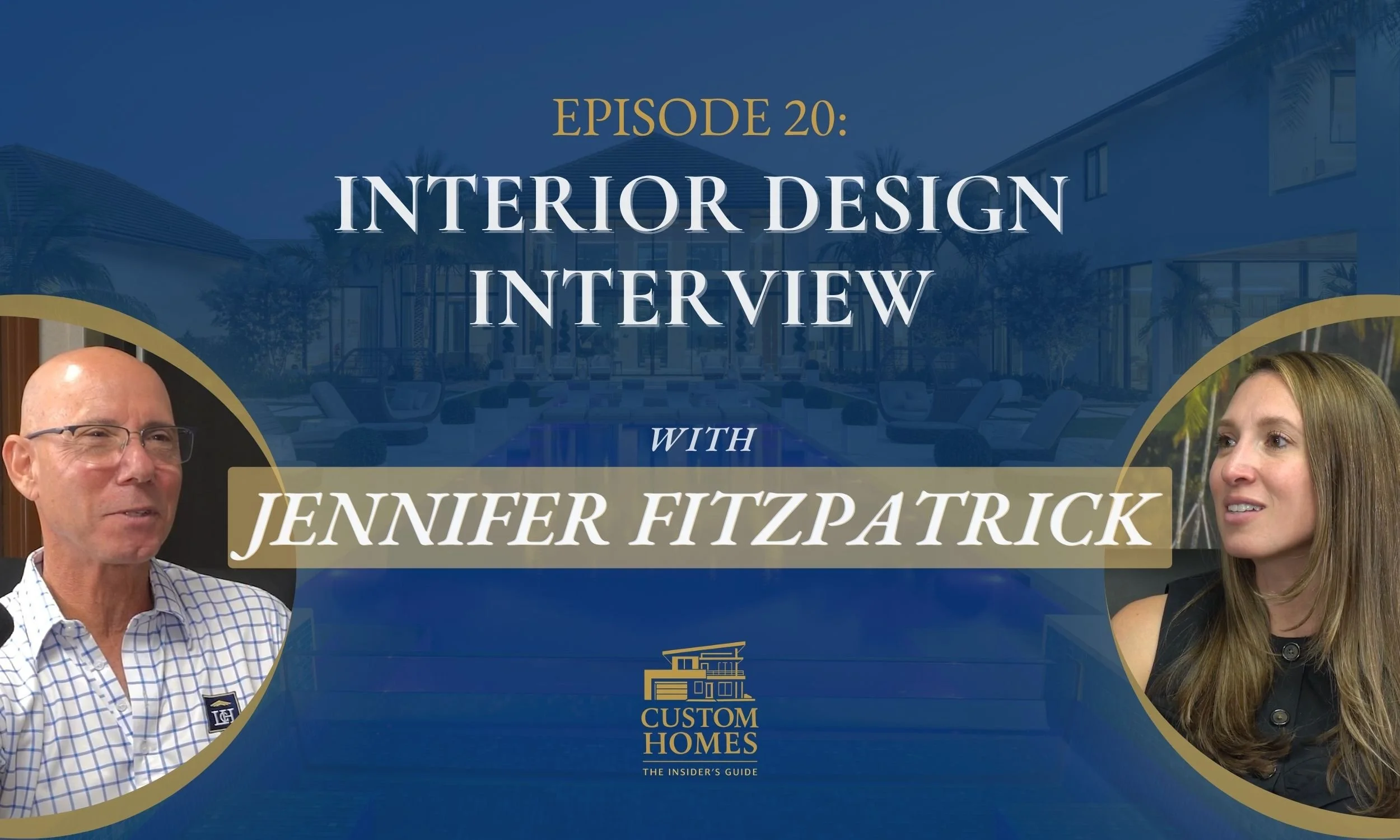
In this episode of The Insider's Guide to Custom Homes, Jennifer Fitzpatrick shares her perspective on visualization, collaboration, and hospitality-inspired design. She discusses how renderings, technical design, and thoughtful planning help homeowners create warm, livable interiors that balance luxury aesthetics with everyday comfort.
Watch the complete episode to hear more about her design philosophy.
Jennifer is the founder and principal designer of Studio J & Co, a Miami-based interior design studio known for its refined, modern approach to residential and commercial spaces.